Painting a Rental Between Tenants: A Landlord's Turnover Checklist
A smooth rental turnover comes down to doing the repairs, priming and painting in the right order and booking the painter before the tenant leaves.
October 7, 2026 · 4 min read
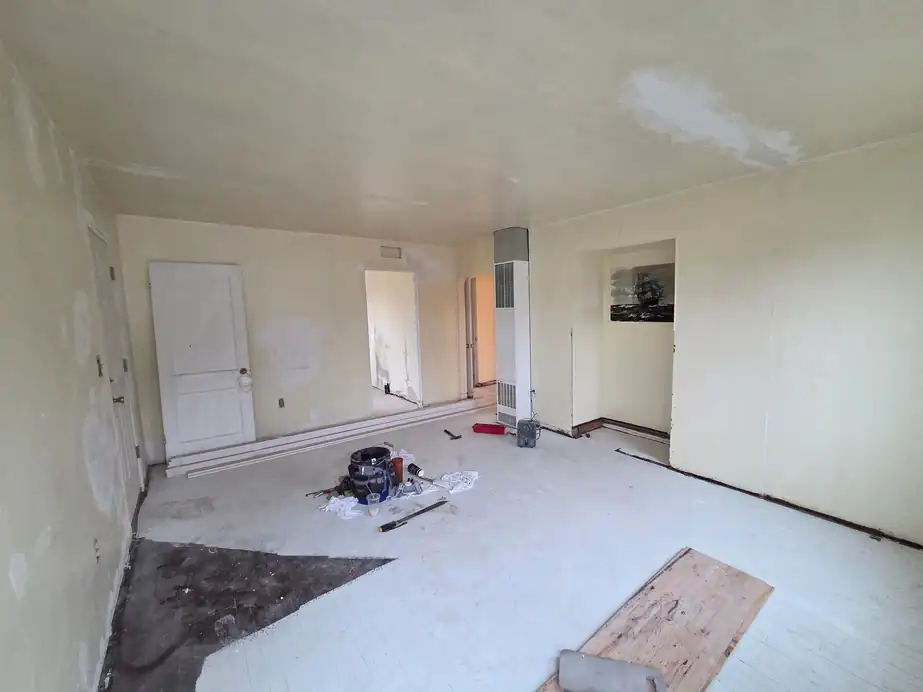
Every day a unit sits empty is a day it isn't earning. Landlords and property managers know that, and it's why the paint job between tenants gets treated like a race. The trouble is that rushing the repaint tends to cost more later: scuffs that show through, patches that flash, a unit that looks tired in the photos for the next listing. A little order goes a long way. Here's a checklist you can use for any turnover, from a single rental house in Yakima to a row of apartments.
Start with a walk-through before the painter does
As soon as the tenant is out, walk every room with a notepad or your phone camera. You're looking for more than paint colour. Note nail holes, anchor holes, dents from doors hitting walls, cracks at corners, water stains on ceilings, and any place where the wall surface is torn or crumbling. Photograph what you find. That record helps you plan the work, and it helps your painter quote the job accurately instead of guessing.
Check the trim, baseboards and doors as well. Door edges and door frames take more abuse than walls, and they're the first things that make a unit look lived in. If a ceiling stain is present, find the cause before anything gets painted. Paint over an active leak and the stain is back, and so are you.
The repair list comes before the paint
Paint hides colour, not damage. Fresh paint over a gouge or a ragged hole makes the flaw easier to see, not harder. Repairs should happen first, and they should be done well enough that you can't find them once the wall is painted.
- Fill nail holes and small anchor holes, then sand them flush.
- Repair minor drywall damage, such as dents, cracks and small holes, with patching compound and sand until smooth.
- Patch and blend texture where a repair interrupts it, so the fix doesn't show as a smooth spot on a textured wall.
- Caulk gaps at trim, baseboards and corners so the lines look crisp.
- Sand glossy or scuffed surfaces so the new paint grips.
- Spot prime every patch and stain so the repair doesn't flash through the topcoat.
That list matches how PNW Paint Company describes its own interior prep: repairing nail holes and minor drywall damage, patching and blending texture, sanding, caulking gaps and priming where needed. It's the right order for a turnover, because every shortcut shows up in the next tenant's first week.
Prime, then paint in the right sequence
Primer matters most where you've patched, where there are stains, and where the old colour is dark or the surface is bare. A patch that's only been painted will usually look different from the wall around it, even when the colour is identical, because the patch drinks paint differently. Primer evens that out.
Then comes the order of painting, which exists to keep drips from landing on finished work. Ceilings go first, then walls, then trim, baseboards and doors. If you reverse that order, you spend the last day touching up what the first day damaged. Kitchens and bathrooms deserve a quick look at the old finish, because grease and moisture can leave a film that has to be cleaned off before anything sticks.
Keep the colour boring on purpose
A consistent neutral colour across your units makes touch-ups simple and keeps the property looking the same from one turnover to the next. Write the colour name and finish down for each unit and keep that record where your painter and your maintenance person can both find it. When a tenant leaves a scuff on a wall, you'll want to match what's already there.
Schedule the painter before the tenant leaves
The biggest single time-saver in a turnover is booking. Call your painter when you receive the move-out notice, not when the keys come back. Give them the unit address, the expected vacancy date, and a note of anything you already know about, like a damaged wall in the bedroom. That lets them plan the repairs and the paint as one job.
Think about who else needs the unit. Paint should usually go in before floor cleaning and carpet work, because drips and dust fall onto the floor. Cleaners come after the painters. If new flooring is going in, talk to both crews about who goes first and what protection is needed. A short phone call between trades saves a lot of rework.
If you manage more than one unit
Property managers get the most from a painter they trust, because the learning curve disappears. The crew knows your colours, your units and your standards. PNW Paint Company handles rental properties, apartments, offices and commercial spaces, including tenant turnovers and whole-property repaints, so a single call can cover a unit or a whole building.
One more habit worth building: take after photos when the painting is done. They document the condition at move-in, and they make the next walk-through faster.
Ready to book the next turnover? See our rental turnovers page at /services/rental-turnovers or call PNW Paint Company at 509-494-3608. We're licensed, bonded and insured, and we work across Yakima, Selah, Union Gap and the surrounding Valley.
PNW Paint Company, 509-494-3608
Call 509-494-3608More articles
Why Exterior Paint Fails Early in the Yakima Valley (and What Prep Does About It)
The weather gets blamed for most peeling paint, but the real cause is usually what happened before the first coat went on.
Painting Kitchen Cabinets or Replacing Them: What the Job Involves
If your cabinet boxes are sound, painting can change the whole kitchen without tearing it out, but it's a job with real steps and real patience.